Content scheduling is supposed to make social media easier. Yet for many creators and small teams, it does the opposite.
Posts get published. Calendars get filled. And still… engagement drops, motivation fades, and social media starts feeling pointless.
The problem isn’t scheduling itself. It’s how most people use it.
After watching countless creators try (and struggle) with content scheduling, the same mistakes show up again and again. Here are the three biggest ones, and what actually works instead.
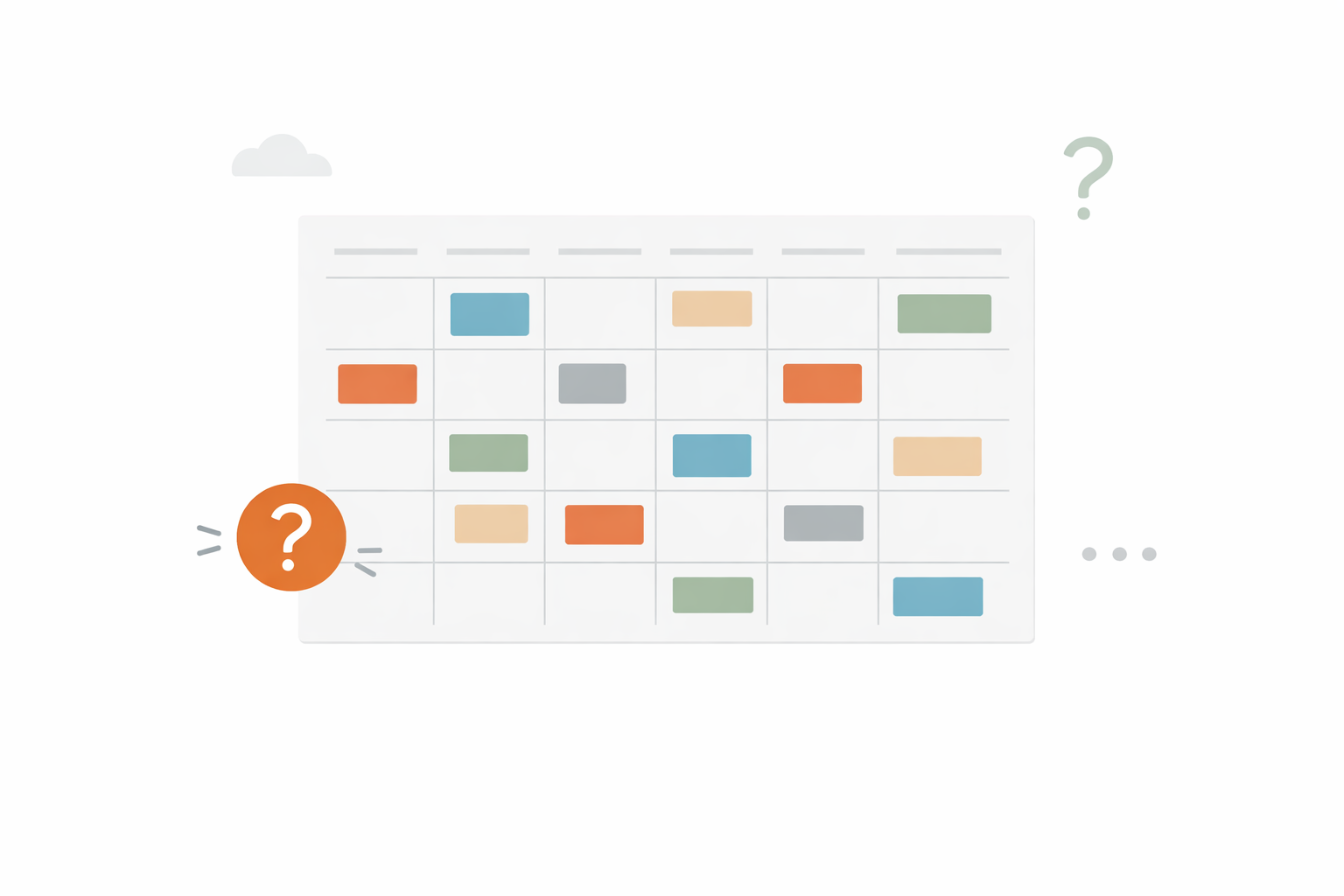
Mistake #1: Scheduling Without a Clear Goal
Most creators start scheduling because they feel they should be more consistent.
So they queue posts. They fill gaps. They “stay active.”
But they never stop to ask a simple question:
What is this content supposed to do?
Posting without a goal turns scheduling into noise:
- No clear message
- No repeated ideas
- No reason for people to remember you
Consistency without direction isn’t strategy, it’s just activity.
What to do instead
Before scheduling anything, decide:
- Who this content is for
- What idea you want to reinforce
- What action (or thought) you want to trigger
When every scheduled post supports the same few ideas, consistency starts working for you instead of against you.
Mistake #2: Posting Randomly “Just to Stay Active”
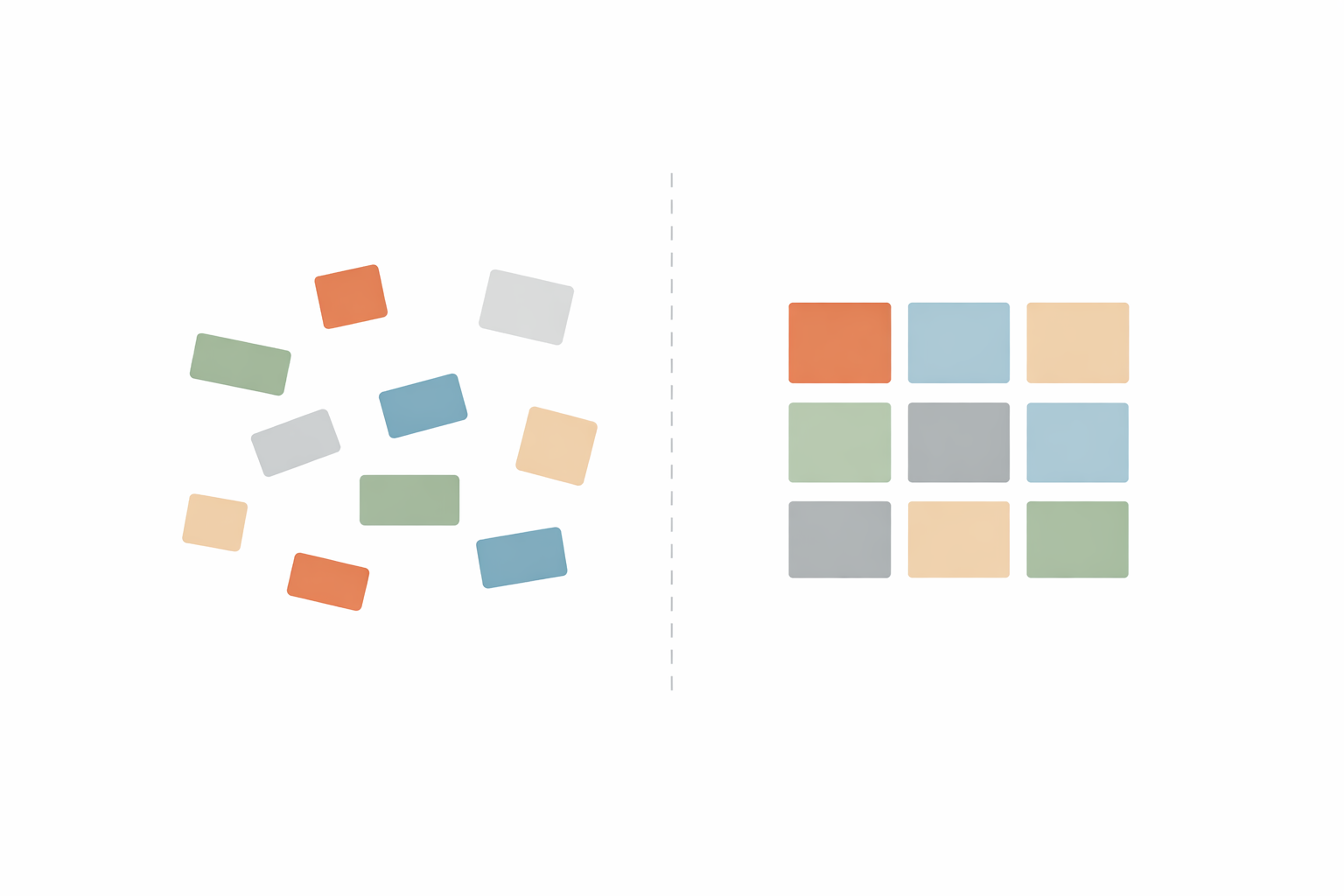
This is one of the most common traps.
You post because:
- “It’s been a while”
- “The algorithm likes activity”
- “We should post something”
So ideas get mixed:
- Tips today
- Promotion tomorrow
- A quote next week
- Something completely unrelated after that
From the outside, it looks inconsistent. From the algorithm’s perspective, it’s even worse.
Algorithms don’t reward randomness, they reward clear signals.
What to do instead
Pick 2–3 core topics and repeat them over time.
Not with the same wording, with the same ideas.
Repetition builds:
- Recognition
- Trust
- Algorithmic clarity
The goal isn’t to surprise people. It’s to become familiar.
Mistake #3: Treating Automation as “Set and Forget”
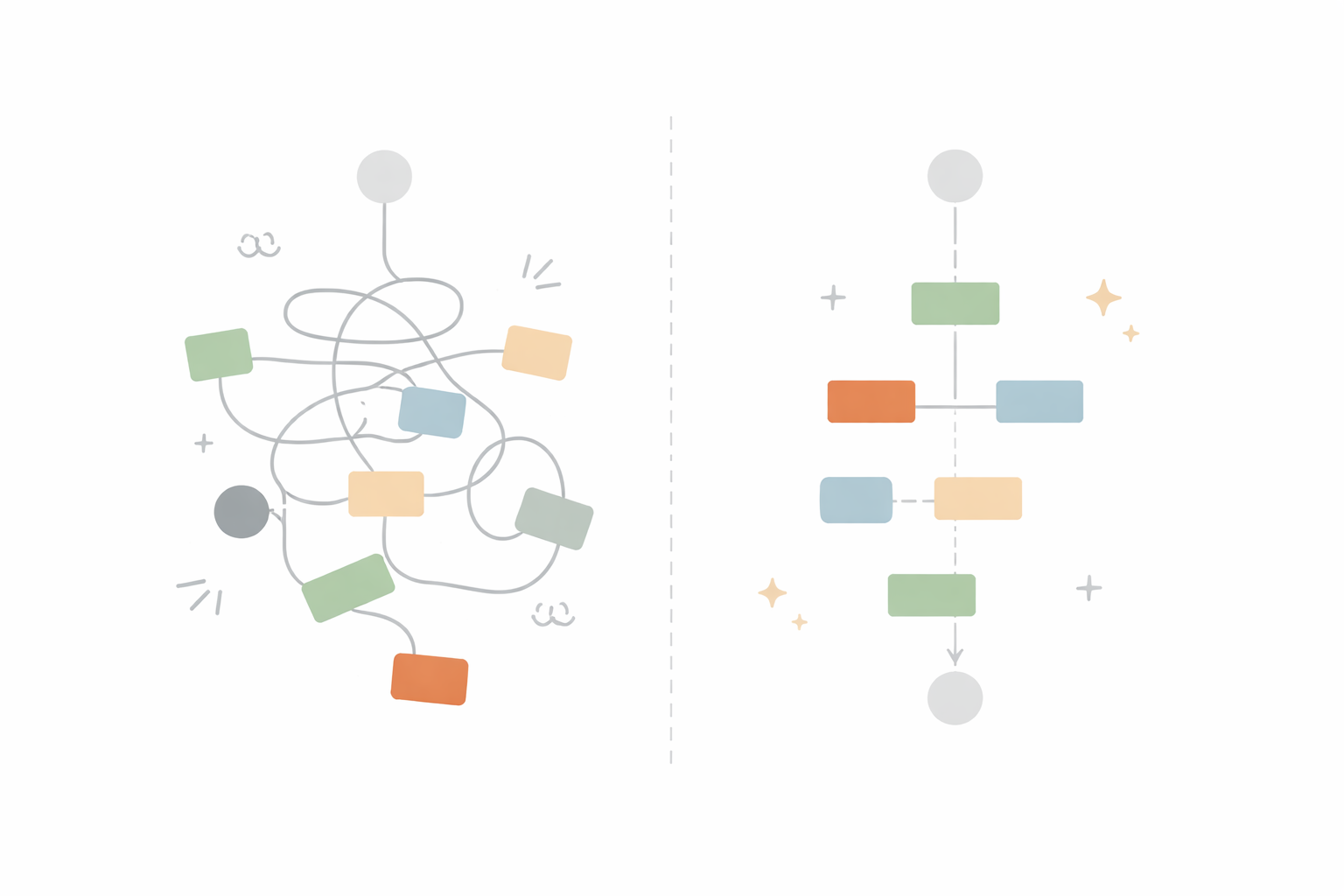
Scheduling tools are often sold as a way to “save time.”
And they do, but only if you already have a system.
Without one, automation just helps you publish bad content more efficiently.
When creators automate without reviewing, reusing, or adjusting:
- Weak posts stay weak
- Good posts disappear too fast
- No learning happens
Automation doesn’t fix problems. It reveals them.
What to do instead
Use automation to:
- Resurface your best ideas
- Test variations of the same message
- Reduce decision fatigue, not thinking
The most effective creators don’t automate everything. They automate the boring, repeatable parts.
The Real Problem Isn’t Scheduling
Creators don’t struggle because they schedule content.
They struggle because they:
- Don’t have a clear strategy
- Expect tools to replace thinking
- Confuse activity with progress
Scheduling works best when it supports:
- Clear ideas
- Repetition over time
- Sustainable workflows
When those are in place, automation stops feeling risky, and starts feeling freeing.
A Better Way to Think About Content Scheduling
Instead of asking:
“How often should I post?”
Ask:
- What ideas do I want to be known for?
- How can I repeat them without burning out?
- How can systems replace daily decisions?
That’s where scheduling finally does what it’s supposed to do.